
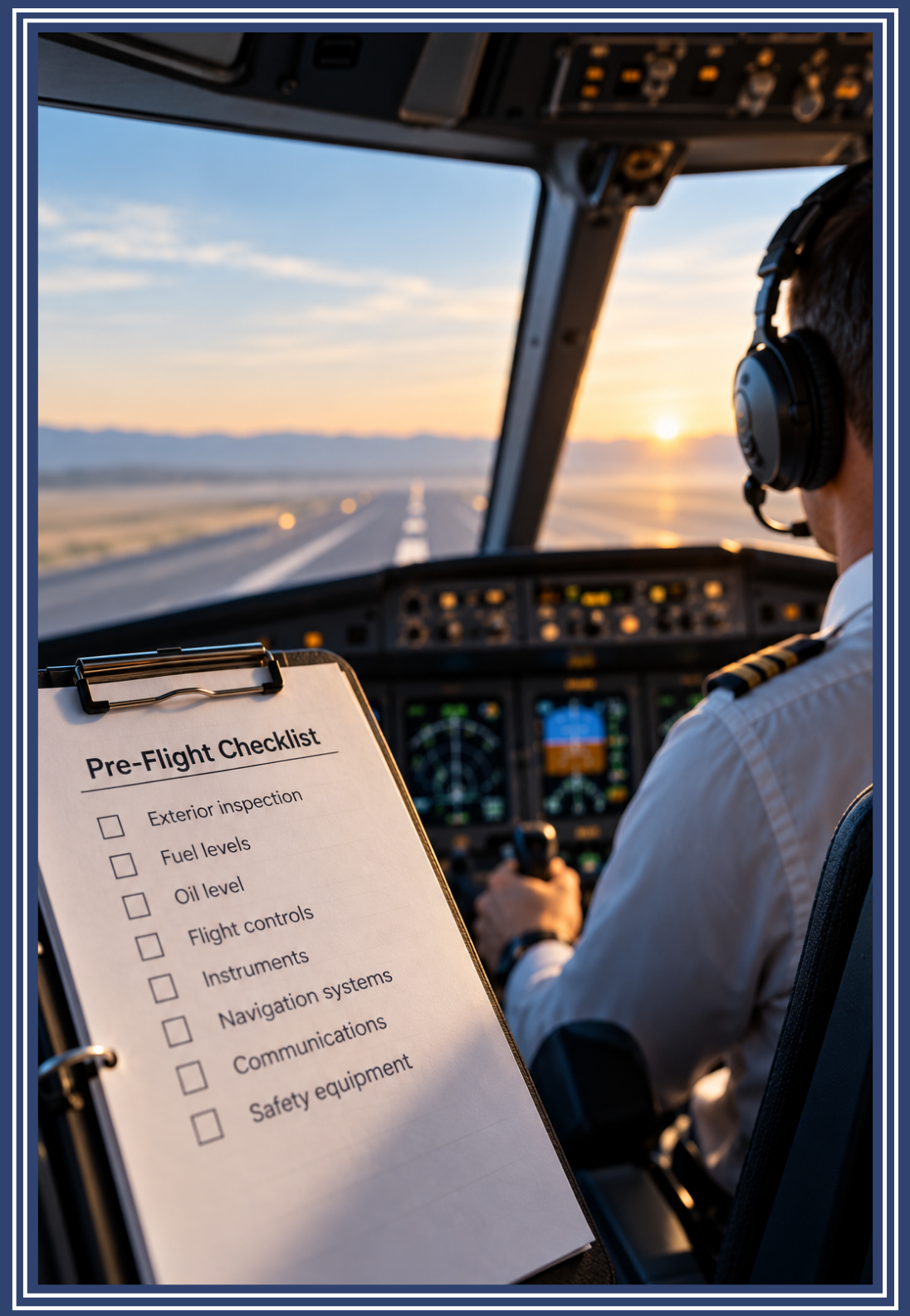
Having access to the pre-flight checklist doesn't make you the pilot. Knowing what to do and being able to do it are two very different things.
Yet for a long time, knowing more made you look smarter.
Knowledge was scarce. Access to it mattered. And the people who had it held an advantage.
Successful contestants on quiz shows were considered 𝗶𝗻𝘁𝗲𝗹𝗹𝗶𝗴𝗲𝗻𝘁, not just knowledgeable.
“Knowledge is power” made sense.
Then Google put much of the world’s knowledge at our fingertips.
AI has taken that several steps further.
Today, the answer to almost any question is seconds away.
𝗞𝗻𝗼𝘄𝗹𝗲𝗱𝗴𝗲 𝗵𝗮𝘀 𝗯𝗲𝗲𝗻 𝗱𝗲𝗺𝗼𝗰𝗿𝗮𝘁𝗶𝘀𝗲𝗱.
So perhaps the more important question isn’t what you know.
𝗜𝘁’𝘀 𝘄𝗵𝗮𝘁 𝘆𝗼𝘂 𝗰𝗮𝗻 𝗱𝗼 𝘄𝗶𝘁𝗵 𝘄𝗵𝗮𝘁 𝘆𝗼𝘂 𝗸𝗻𝗼𝘄.
Knowing how to have a difficult conversation isn’t the same as having one well.
Knowing how to qualify an opportunity isn’t the same as recognising the question you need to ask in the moment.
Knowing the principles of delegation doesn’t mean you can let go when the stakes are high.
Knowledge can be transferred quickly.
Capability takes practice.
It takes repetition, feedback, experimentation and the opportunity to get things wrong and try again.
Which is why I think the balance between education and coaching needs to shift.
We need to spend less time simply teaching people what to do, and more time coaching them until they can actually do it.
AI will only accelerate that shift.
When everyone has access to the knowledge, knowledge itself is no longer the differentiator.
The value of having an answer is heading toward zero. The value of asking better questions is skyrocketing.
Perhaps “knowledge is power” has had its day.
𝗞𝗻𝗼𝘄𝗶𝗻𝗴 𝘄𝗵𝗮𝘁 𝘁𝗼 𝗱𝗼 𝗶𝘀 𝘂𝘀𝗲𝗳𝘂𝗹. 𝗕𝗲𝗶𝗻𝗴 𝗮𝗯𝗹𝗲 𝘁𝗼 𝗱𝗼 𝗶𝘁 𝗶𝘀 𝗽𝗼𝘄𝗲𝗿𝗳𝘂𝗹.